

Section 179 Ford Truck & Van Deductions in Texas

If you’re considering a Ford work truck or van purchase before the end of 2026, learn how Section 179 deductions could provide valuable deductions if the vehicle is purchased and delivered prior to 12/31/2026.
Your potential deduction depends on the truck or van’s specifications, business-use percentage, and your business’s tax situation.
Read on to learn more about qualifying vehicles and possible tax deduction amounts for your Ford truck or van purchases if made before the end of 2026.
What is the Section 179 Deduction?
Section 179 allows eligible businesses to deduct all or part of a qualifying vehicle’s business-use cost in the year it is placed in service, instead of spreading that deduction over several years. Both new and used trucks and vans can qualify, including eligible vehicles purchased through financing.
It’s a deduction that reduces taxable income — not a dollar-for-dollar tax credit. For example, an allowable $60,000 deduction at a 24% federal tax rate could save $14,400 in federal income taxes. Actual savings depend on your tax situation, and Section 179 is subject to annual limits, vehicle-specific rules, and a business-income limit.

What’s New for Section 179 in 2026?
- Maximum deduction: $2,560,000. This annual limit applies across qualifying purchases, including eligible vehicles and equipment.
- Phase-out begins above $4,090,000. The maximum deduction decreases dollar for dollar when the total cost of qualifying property placed in service exceeds this amount.
- Heavy SUV deduction cap: $32,000. Certain SUVs are subject to this separate Section 179 limit. It does not apply to every work truck or van; vehicle weight and configuration determine which rules apply.
Which Ford Trucks and Vans Qualify for Section 179?
| Vehicle type | What determines its deduction? | View Inventory |
|---|---|---|
| Super Duty Pickups | Pickups over 6,000 pounds GVWR with a cargo bed at least 6 feet in interior length that is not readily accessible from the passenger compartment are excluded from the $32,000 SUV cap. | |
| Chassis cabs and upfitted work trucks | Trucks over 14,000 pounds GVWR fall outside the SUV cap. For lighter service-body, dump, flatbed, and other commercial builds, the completed vehicle’s design determines which exceptions apply. | |
| Transit cargo vans | Qualifying enclosed cargo configurations can be excluded from the SUV cap. Seating, cargo layout, and body design matter, so confirm the specific van’s configuration. | |
| Transit passenger vans | Vehicles designed to seat more than nine passengers behind the driver’s seat are excluded from the SUV cap. Smaller seating configurations require a separate review. |
Being exempt from the SUV cap does not automatically make the entire purchase deductible. Section 179 requires more than 50% business use, and only the business-use portion of the cost is eligible, subject to applicable limits.
Check the manufacturer’s GVWR label and vehicle specifications with your tax professional before calculating your deduction.
Section 179 and Bonus Depreciation in 2026
Section 179 isn’t the only way to accelerate your business vehicle deduction. 100% bonus depreciation is available for qualifying property acquired and placed in service after January 19, 2025, including eligible new and used business vehicles.
When both provisions apply, Section 179 is taken first, followed by bonus depreciation on the remaining eligible cost. This means the $32,000 Section 179 SUV cap does not necessarily limit your total first-year deduction—additional bonus depreciation may be available.
Unlike Section 179, bonus depreciation generally isn’t limited by business taxable income. However, vehicle-specific limits and business-use requirements still apply, and the same cost cannot be deducted twice. Your tax professional can help determine which approach provides the most benefit for your 2026 purchase.
How to Plan Your Year-End Ford Truck or Van Purchase
- Review your budget and potential deduction with your tax professional. Consider your expected business income, other equipment purchases, and whether Section 179, bonus depreciation, or a combination makes sense.
- Match the vehicle to the job. Identify your payload, towing, cargo space, and upfit requirements, then confirm the specific truck or van’s GVWR and configuration.
- Confirm availability and completion dates. If you need a service body, dump body, shelving, or other equipment, account for installation time as well as delivery.
- Complete your purchase and place the vehicle in service by December 31, 2026. For calendar-year taxpayers, the vehicle must be ready and available for its intended business use by that date. An order or deposit alone is not enough.
- Keep your records. Save purchase and financing documents, upfit invoices, and records supporting the placed-in-service date and business-use percentage.
Find The Next Work Truck For Your Business at Chastang Ford
Chastang Ford is a Houston Ford Pro and Commercial Vehicle Center serving contractors, small businesses, and fleet operators throughout Texas. Whether you need one Transit van or upfitted trucks, our commercial account managers help match your daily work requirements to the right vehicle.
Our team helps you compare payload, towing capacity, cargo space, and body configurations, then coordinates the purchasing details—including commercial financing, work-truck trade-ins, and upfit installation. For year-end purchases, we’ll review available inventory and expected completion and delivery dates so you can plan around your business’s timeline.
Support continues after the sale through our commercial truck service center, diesel repair team, and mobile maintenance options. You’ll have a dealership equipped to help keep your truck or van working long after tax season.
Tell us what your business needs to haul, tow, or carry—and when you need the vehicle ready.

Stock #: TKA94679
VIN: 1FTBR1C85TKA94679
Fuel Type: FlexFuel

Stock #: TKA49368
VIN: 1FTBR1C85TKA49368
Fuel Type: FlexFuel

Stock #: TKB34509
VIN: 1FTBR1C86TKB34509
Fuel Type: FlexFuel
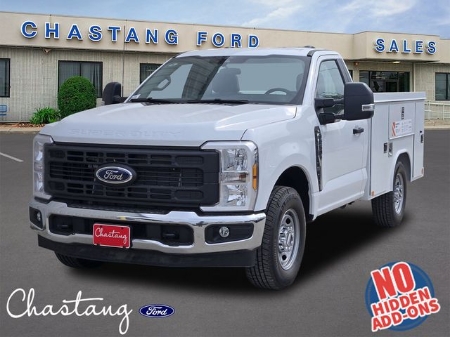
Stock #: TEF24591
VIN: 1FDBF2AA8TEF24591
Fuel Type: Gasoline
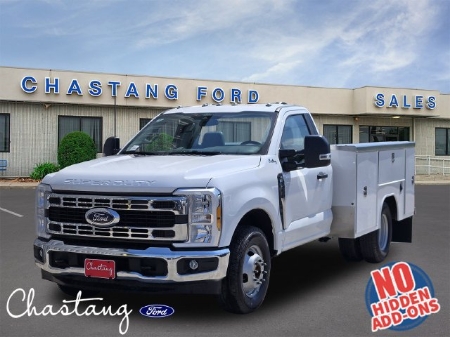
Stock #: TEC63360
VIN: 1FDRF3GN0TEC63360
Fuel Type: Gasoline
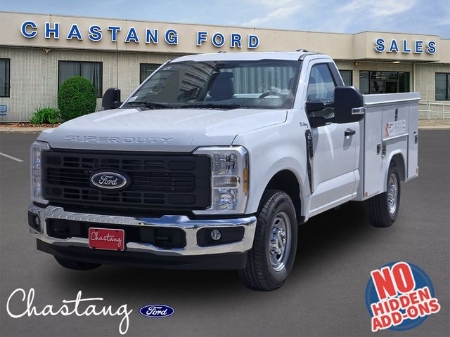
Stock #: TEF18301
VIN: 1FDBF2AA9TEF18301
Fuel Type: Gasoline
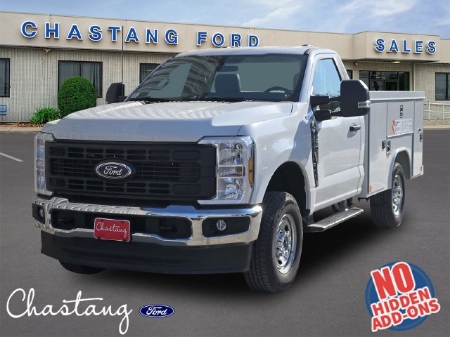
Stock #: TEC42072
VIN: 1FDBF2BA0TEC42072
Fuel Type: Gasoline

Stock #: TKB49558
VIN: 1FBAX2Y80TKB49558
Fuel Type: FlexFuel
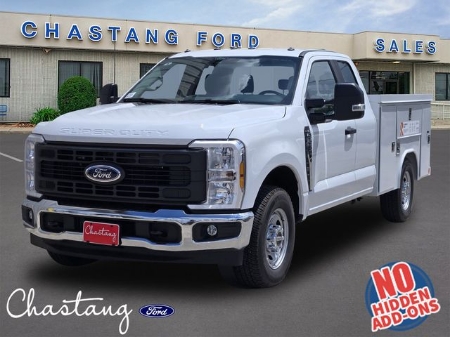
Stock #: TEF19166
VIN: 1FT7X2AA2TEF19166
Fuel Type: Gasoline

Stock #: TKB32750
VIN: 1FBAX2C87TKB32750
Fuel Type: FlexFuel

Stock #: TDD39405
VIN: 1FDWE3FN8TDD39405
Fuel Type: Gasoline

Stock #: TDD41884
VIN: 1FDWE3FN1TDD41884
Fuel Type: Gasoline
Section 179 Ford Truck & Van Deduction FAQs
Can I claim Section 179 on a used work truck or van?
Does financing a truck affect my Section 179 deduction?
Can I claim Section 179 on a leased vehicle?
Does every truck over 6,000 pounds qualify for a full deduction?
What if I use my truck for both business and personal driving?
Is ordering a truck before December 31 enough?
What happens if my business use drops later?
How do I claim the deduction?
Section 179 Request
A commercial Ford account manager will reach out to you.
This site is protected by reCAPTCHA and the Google Privacy Policy and Terms of Service apply.
Disclaimer: This page provides general information about federal vehicle deductions for 2026. Chastang Ford does not provide tax advice. Consult your tax professional to confirm your eligibility, allowable deduction, and any applicable state tax treatment.


